


Raihanul Islam Chowdhury
The transition to clean energy is no longer simply an environmental ambition. It is essential for our health, economy, communities, and the future of our planet. If we are serious about this transition, we must begin by addressing one of its biggest obstacles: coal.
Why Must Coal Go First?
Among the three major fossil fuels-coal, oil, and natural gas-coal is the most carbon-intensive. According to the International Energy Agency (IEA), coal accounts for more than 40% of global energy-related CO2 emissions.
But its damage goes far beyond climate change.
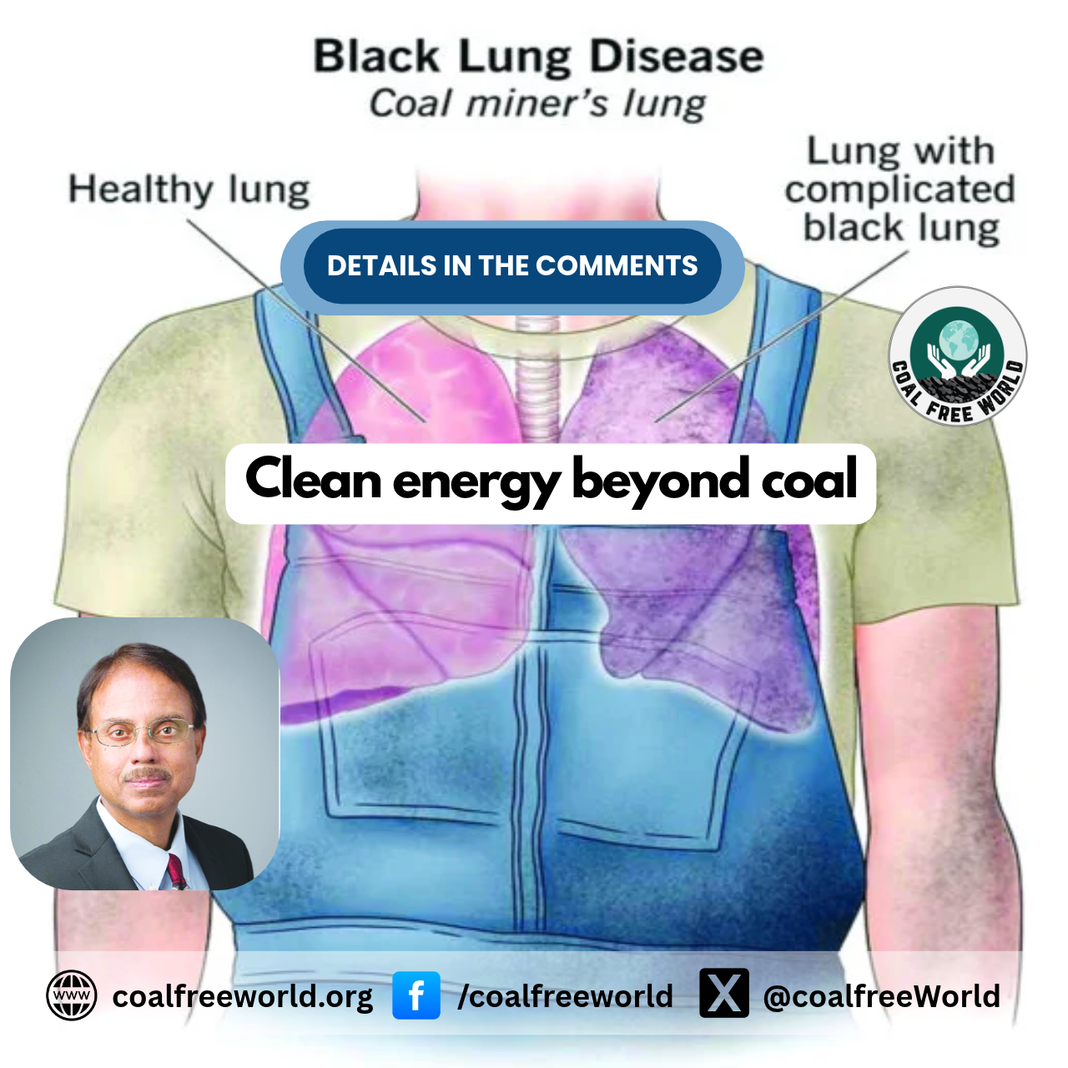
Coal mining exposes workers to dangerous dust that can cause Black Lung Disease, a serious and potentially fatal occupational illness. Coal-fired power plants release particulate matter, sulfur dioxide, and nitrogen oxides, contributing to respiratory and cardiovascular diseases.
The human cost is enormous. According to the Clean Air Task Force’s August 2026 analysis, air pollution from US coal-fired power plants causes more than 6,600 premature deaths annually, alongside thousands of other serious health impacts. The estimated annual societal costs exceed $100 billion.
Think about densely populated regions such as South Asia. Countries like Bangladesh, India, and Pakistan have millions of people living near industrial areas and power plants.
If the health impact is this severe in a country with stronger environmental regulations and healthcare facilities, imagine the consequences in more vulnerable communities.
There is also an uncomfortable reality: wealthy families may be able to relocate or afford better healthcare, but lower-middle-income and poor families often have no such choice. They remain exposed, and their children continue breathing polluted air.

The wealthy may have an escape route, but the poor are often left with the consequences.
The Environmental Damage: There Is No Clean Coal
Coal mining destroys forests, disrupts rivers, threatens drinking water sources, and can damage agricultural land.
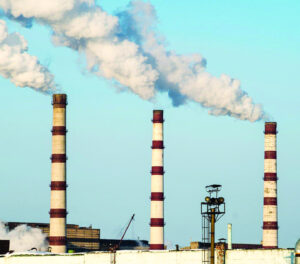
Burning coal also produces toxic ash containing hazardous substances such as arsenic, mercury, and lead. Improper storage can contaminate soil and groundwater. Coal emissions also contribute to acid rain, damaging forests, lakes, and ecosystems.
We must understand one simple truth: There is no such thing as truly clean coal.
“Clean coal” is largely a marketing and political term describing technologies that reduce certain emissions.
They cannot eliminate the broader environmental and health consequences of coal. Carbon capture and storage also requires substantial additional energy, potentially consuming around 20-25% of a coal plant’s electricity output.
Why spend so much making a harmful energy source slightly less damaging when cleaner alternatives are increasingly available?
Clean Energy is an Economic Opportunity
Solar and wind power, supported by battery storage and modern electricity grids, are becoming increasingly competitive. A 2023 Energy Innovation analysis found that new local wind and solar power were cheaper than operating 99% of existing US coal plants.
Recent geopolitical conflicts, particularly the Ukraine war and the 2026 Iran conflict, have exposed the vulnerability of countries dependent on imported oil and gas. Supply disruptions and price volatility remind us that energy security is also national security.
Renewable energy offers countries an opportunity to reduce import dependence and build more resilient economies.
China and India, despite their continued reliance on coal, are rapidly expanding renewable energy.
China’s September 2026 energy trends show significant growth in solar and wind generation. Even major coal-consuming economies are changing their energy strategies.
Climate Justice: Who Pays the Price?
My involvement in the environmental movement began when I realised that environmental degradation and climate change affect poorer countries far more severely than wealthy nations.
We often describe this divide as the Global North and the Global South.
Industrialisation in Western Europe and North America generated enormous wealth but also contributed significantly to today’s environmental crisis.
Historically, industrialised nations have contributed disproportionately to greenhouse gas emissions.
Yet countries in the Global South, including Bangladesh, face some of the harshest consequences despite their relatively small historical contribution.
Rising sea levels, floods, cyclones, extreme heat, and agricultural disruption are not distant threats for Bangladesh. They are already part of everyday life.
Climate action must therefore be about more than reducing emissions. It must also be about fairness, responsibility, and justice.
From COP26 to Grassroots Action
I was fortunate to attend COP26, the United Nations Climate Change Conference, in Glasgow, Scotland. It gave me the opportunity to witness international negotiations and connect with people working towards a sustainable future.
However, I have become increasingly concerned about the influence of fossil fuel interests in climate negotiations. Climate conferences must deliver meaningful commitments and measurable action rather than becoming platforms for political performance or corporate publicity.
As an executive of Coal Free World, I have been involved in campaigns against coal-fired power plants and coal mining. It has been an uphill battle, but progress is possible.
Coal Free World, a US-based organisation, has worked alongside the Sierra Club’s Beyond Coal campaign in Texas. Through these collective efforts, we contributed to campaigns that helped bring about the closure of at least one coal-fired power plant in Texas.
We also engage with environmental organisations, including Greenpeace and Sierra Club initiatives. Our work extends beyond coal to reducing single-use plastics, protecting biodiversity, conserving forests and oceans, and supporting environmental legislation through engagement with state and federal policymakers.
A Future Beyond Coal
Moving beyond coal does not mean ignoring oil and natural gas. Ultimately, our dependence on all fossil fuels must decline. But coal is where we must begin.
This transition must also be fair.
Coal workers and communities dependent on the industry deserve alternative employment, retraining, and economic support. A clean energy future must not leave vulnerable communities behind.
We already have the technology, research, and increasingly the economic justification to make this transition. What we need now is political courage, public awareness, and collective determination.
Perhaps one day, future generations will see coal only in museums-not as a symbol of progress, but as a reminder of an energy era we finally had the courage to leave behind.
The question is no longer whether we can move beyond coal. The real question is how quickly we are willing to do it.
Let us leave coal where it belongs-untouched beneath the ground-and choose a healthier, cleaner, and more sustainable future.